Exploring Artisan Drinks at a Cafe in Monument, CO
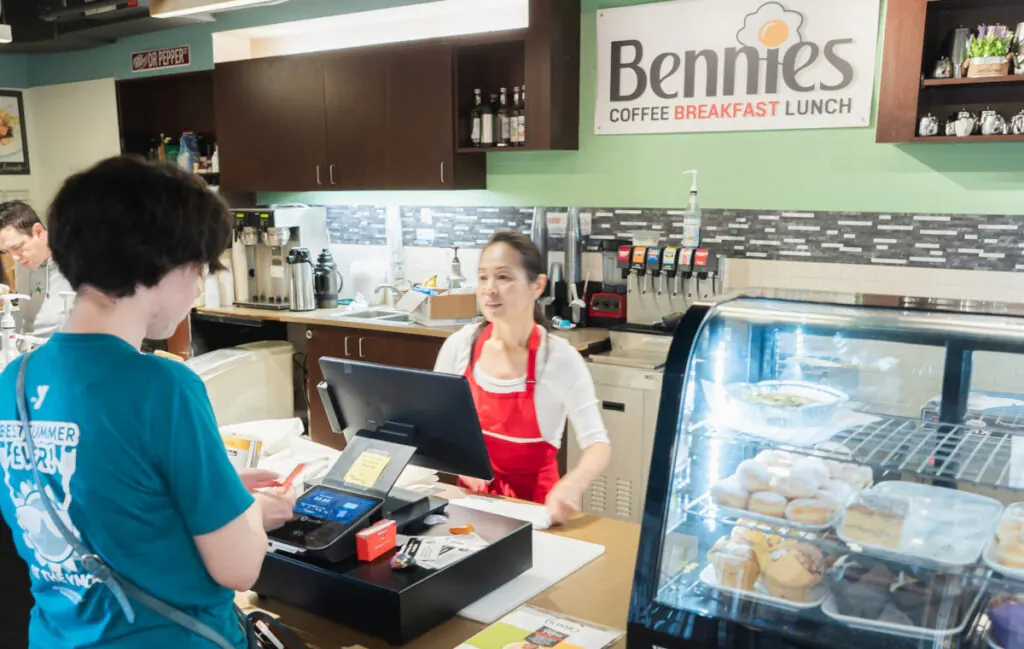
There is a particular pleasure in ordering a drink that has clearly been made by someone who cares about the details. Not just the look of it, though presentation matters, but the details that show up in the cup itself: beans chosen for a reason, milk textured with restraint, tea steeped to preserve aroma instead of punishing it, syrup used as an accent rather than a blanket. At a good cafe, those choices are visible before the first sip. At a great one, they feel effortless.
That is what makes the artisan drink scene so appealing in a place like Monument. A town does not need the pace of a large city to produce a serious coffee culture. In fact, some of the most thoughtful beverage programs I have seen have come from cafes in smaller communities, where regulars return often enough to notice consistency and where the staff cannot hide behind novelty for very long. If a drink is unbalanced on Tuesday, somebody will remember on Thursday.
A strong Cafe Monument, CO experience often starts with that sense of accountability. The menu may include classics, rotating specials, and a few house-made signatures, but the better measure of quality is how the shop handles the fundamentals. If the espresso is dialed in, the brewed coffee tastes alive, and even the simple cappuccino has shape and sweetness, the rest of the menu usually follows.
What “artisan” really means in the cup
The word gets stretched thin. It can mean handmade, small-batch, locally sourced, or simply expensive. In a café setting, I use it more narrowly. An artisan drink is one built on deliberate technique and ingredient quality, with enough skill behind it to highlight the character of the base rather than bury it.
That might sound obvious with espresso, but it applies just as much to a chai, a mocha, or a sparkling tea tonic. The question is not whether a drink is complicated. The question is whether each component earns its place.
When I walk into a café and scan the board, a few clues tell me whether the artisan label is justified. House syrups are one. A vanilla syrup made with real beans or extract will smell warmer and rounder than a generic pump bottle. Seasonal ingredients are another. If a cafe is using orange peel, rosemary, cardamom, lavender, or local honey, the success of those drinks depends on restraint. Good cafés understand that a strong flavor should arrive in layers, not as a blunt hit.
The most reliable sign, though, is balance. You can taste it in the first few sips. Sweetness supports rather than dominates. Bitterness has structure. Acidity is present without turning sharp. Texture contributes to the experience. Even cold drinks, which are easy to reduce to sugar and temperature, carry a sense of design.
Why Monument is a fitting place for this kind of menu
Monument occupies an interesting space. It has small-town rhythms but sits close enough to larger Front Range corridors that expectations around food and drink are higher than they might have been twenty years ago. Customers often know what a cortado is. They have probably tried cold brew from multiple roasters. Some are commuters, some are remote workers, some are weekend hikers or cyclists, and many want their local coffee shop to do more than provide caffeine.
That matters because artisan drinks flourish where customers are curious. A café can only invest in pour-over service, single-origin espresso, or labor-intensive seasonal specials if enough people appreciate the difference. Monument has the kind of audience that often does. Not everyone wants a lightly roasted Ethiopian brewed in a V60, and that is fine. But enough customers tend to care about freshness, preparation, and flavor that a thoughtful drinks program makes sense here.
The setting also helps. Cooler mornings, changing seasons, and a lifestyle that often includes outdoor time create natural demand for a wide range of beverages. Rich winter mochas and spiced lattes fit the colder months. Bright iced drinks make sense when the sun is high and the air is dry. Tea-based offerings do especially well in places where customers want something restorative without always reaching for another espresso shot.
Espresso drinks, where craft is easiest to judge
If I want to understand a cafe quickly, I usually start with espresso. Not because it is the only measure of quality, but because mistakes are harder to disguise. A latte can cover some flaws. A straight shot cannot.
In a capable café, espresso should show sweetness first, then structure, then finish. Depending on the roast, you might taste chocolate, toasted nuts, stone fruit, citrus, or a subtle floral lift. What you should not taste is confusion. Sourness that pinches the sides of the tongue usually points to under-extraction. Harsh bitterness that hangs too long often suggests the opposite, or beans roasted without enough finesse. Burnt milk can turn a promising latte into something flat and vaguely caramelized in the wrong way.
Milk texture is where many artisan programs distinguish themselves. Properly steamed milk is glossy and integrated, not airy foam sitting on top of hot liquid. In a cappuccino, the texture should feel light but still sweet. In a latte, it should carry the espresso instead of drowning it. Temperature matters more than some guests realize. Drinks served too hot lose aromatic complexity and become impossible to enjoy for several minutes. More importantly, overheated milk develops a cooked flavor that mutes the coffee.
A shop in Monument that treats these details seriously tends to build trust quickly. Once I know the espresso is handled well, I become much more willing to try the maple cinnamon special, the orange-cardamom mocha, or the Cafe Monument, CO rosemary honey latte. The fundamentals give the creative drinks room to work.
Brewed coffee deserves more attention than it gets
There is a habit in many cafés of treating brewed coffee as the plain option, the thing customers order when they are in a hurry or uninterested in flavor. That is a mistake. Properly brewed drip coffee or pour-over can be the most revealing drink on the menu.
A good brewed coffee presents clarity. You can taste where the bean wants to go. Maybe it leans toward cocoa and almond, maybe toward berry and citrus. Either direction can be excellent if the brew is clean and proportioned correctly. I pay attention to body, but also to aftertaste. The best cups remain pleasant as they cool. In fact, many become more expressive ten minutes in, once the temperature drops enough for the subtler notes to emerge.
At elevation, brewing can become a little less forgiving. Water boils at a lower temperature than it does at sea level, and while most customers do not need the chemistry lesson, they can taste when a barista understands extraction. In practical terms, a capable cafe adjusts grind size, contact time, and recipe with intention. That is one reason artisan brewed coffee can seem unusually vivid in a skilled shop. Someone is paying attention to variables that many places leave on autopilot.
In a Cafe Monument, CO setting, brewed coffee often serves two audiences at once. There are customers who want a dependable house roast every morning, and there are customers who want to discuss processing methods and tasting notes. The better cafés make room for both. They do not talk down to the first group or overperform for the second.
Tea, chai, and other non-coffee drinks often reveal the depth of the program
Some café menus quietly tell you that tea is an afterthought. The bags are generic, water is too hot, steeping times are imprecise, and every tea tastes vaguely exhausted. An artisan café handles tea with the same respect it gives espresso.
That changes everything. A well-brewed black tea has structure without becoming tannic. Green tea keeps its grassy, marine brightness instead of tipping bitter. Herbal infusions smell fresh and deliberate. Matcha, when prepared properly, should taste vegetal and creamy, not chalky or aggressively sweet.
Chai is especially revealing because it sits at the intersection of spice, sweetness, and milk. House chai concentrates can be wonderful, but only when the spice blend remains legible. Cardamom, ginger, clove, cinnamon, and black tea should each contribute something. Too often, cafés load the drink with sugar and vanilla until it becomes dessert in disguise. The better version lets the spices breathe. You get warmth, a little edge from the ginger, and enough tannin from the tea to hold the milk in place.
I have had some of the most memorable café drinks not from the espresso machine, but from the tea side of the bar. A sparkling hibiscus tonic in summer. A London fog with real bergamot presence and microfoamed milk. A turmeric ginger steamer that felt restorative without tasting medicinal. These drinks matter because they widen the identity of the café. They say the shop understands hospitality, not just coffee orthodoxy.
House-made syrups, the quiet workhorses of a creative menu
Seasonal drink menus rise or fall on syrup work. It sounds minor until you taste the difference. A café that makes its own syrups can control intensity, sweetness, and texture in ways that bottled products rarely allow.
Vanilla is a good example. A commercial syrup often tastes one-dimensional, all sweetness and aroma. A house-made version can add warmth, depth, and a slightly rounded finish that supports espresso instead of overwhelming it. The same is true for brown sugar, lavender, rosemary, orange, and salted caramel. Each of these flavors can become cloying if pushed too far. In practiced hands, they become structural.
The challenge is restraint. Lavender can turn soapy. Rosemary can drift savory in a way that jars against milk. Citrus syrups can flatten if cooked too long. Brown sugar can dominate with molasses-like heaviness. A professional café learns these limits through repetition, and regular customers notice when the recipes evolve.
One of the best signs of maturity in a drinks program is when the menu does not feel crowded. Instead of fifteen novelty combinations, there may be four or five signature drinks, each with a clear point of view. That usually means the staff has time to execute them consistently. I would rather see a short list of excellent seasonal drinks than a sprawling board of ideas that looked better in planning than they taste in practice.
Cold drinks are not just summer filler
It is easy to underestimate iced beverages because they move quickly and often feel casual. Yet cold drinks can display as much craftsmanship as any hot preparation. Cold brew, for example, should not simply taste strong. It should taste smooth, sweet enough to stand alone, and clean on the finish. If it comes across murky, woody, or stale, the batch may have steeped too long or the beans may not have suited the method.
Flash-chilled coffee can be even more expressive. When hot coffee is brewed directly over ice in the right ratio, it preserves aroma and acidity in a way standard iced coffee often misses. The result can feel lively and transparent rather than merely cold.
Then there are drinks that bridge coffee and café creativity. A tonic with espresso and citrus can be refreshing if the espresso has the right fruit character and the tonic is not too bitter. An iced mocha can be elegant when built with real chocolate and modest sweetness. Even an iced vanilla latte, arguably one of the most ordinary drinks on any menu, becomes impressive when the espresso is punchy enough to survive the milk and ice.
In Monument, where dry air and bright days can push people toward colder drinks even outside peak summer, this part of the menu matters. A café that treats iced beverages seriously earns loyalty from customers who do not stop ordering them in September.
The role of milk, alt milks, and texture
Milk choice is no longer a side note. It shapes sweetness, body, and finish so strongly that it can make the same espresso taste like two different drinks. Whole milk remains the easiest to texture and often offers the most balanced sweetness. Oat milk can produce excellent body and a soft grain note that works well with chocolatey espresso. Almond milk is trickier, thinner, and sometimes slightly astringent, though it can complement lighter flavor profiles. Coconut can dominate quickly. Soy varies a lot by brand.
An artisan café understands these trade-offs. It does not pretend every milk behaves the same, and it trains staff accordingly. That training shows up in the cup. Properly steamed oat milk should not collapse into a dry foam cap. Almond-based drinks should still feel intentional, not apologetic.
Customers often focus on whether a café offers dairy alternatives, but the more meaningful question is whether the baristas know how to work with them. Availability is easy. Consistency is skill.
What to look for when you want the best possible drink
Choosing well at a café is part instinct, part observation. The menu tells only half the story. The bar, the pace of service, and the way staff answer simple questions usually tell the rest.
If you are exploring artisan drinks in Monument for the first time, pay attention to freshness and confidence. A barista who can explain a drink clearly without reciting a script is usually a good sign. So is a recommendation that includes a caveat. When someone says, “That lavender drink is floral but not very sweet,” or “Our current espresso is brighter than usual, so it cuts nicely in milk,” you are dealing with someone who actually tastes what they serve.
A few practical habits help:
- Start with a classic before jumping to the most elaborate seasonal special.
- Ask whether a signature drink runs sweet, balanced, or coffee-forward.
- If you care about bean character, try a cappuccino or cortado instead of the largest latte.
- Revisit a drink on another day before deciding a café cannot execute it consistently.
- Order tea from places that seem to value tea, not just stock it.
Those small choices can save a lot of disappointment, especially in a town where you may return to the same café often enough for preferences to matter.
The social side of the artisan café
What keeps people coming back is not only flavor. It is the atmosphere around the drink. The best cafés become minor landmarks in daily life. You stop in after a morning walk, before a meeting, on the way back from errands, or for an unhurried catch-up that lasts longer than planned. Over time, the drinks become part of the memory of the place.
That is why artisan beverages matter beyond novelty. They create a rhythm. A winter drink with orange and clove can become part of the season. A bright spring cortado or an iced honey latte can mark the shift into warmer weather. Even regular orders take on emotional weight when they are prepared with consistency. There is comfort in knowing your cappuccino will taste the way it should, especially in a local café where familiar faces are part of the experience.
For a Cafe Monument, CO regular, that predictability is not boring. It is a mark of professionalism. Creative drinks may bring someone through the door once. Precision and warmth bring them back.
Where value really sits
Artisan drinks do tend to cost more, and not every higher price is justified. Sometimes you are paying for branding, oversized cups, or a dramatic garnish that adds little. But when a drink is built from quality coffee or tea, carefully prepared milk, house-made ingredients, and skilled labor, the price increase is easy to defend.
The trick is knowing where value lives. It lives in balance, not in sheer volume. It lives in ingredients that taste like themselves. It lives in a menu where the specials seem tested rather than improvised. And it lives in a staff that can make the twelfth latte of the morning with the same care as the first.
One of the cleanest indicators of value is whether the drink still feels satisfying after the novelty wears off. If you finish it and think only about the sugar, it probably was not worth much. If you finish it and remember the spice balance, the espresso character, the texture, or the lingering aroma, the café likely did its job.
A local culture worth savoring
Artisan drink culture is healthiest when it feels rooted in place rather than imported as a trend. In Monument, that means menus that respect both craft and community. Not every customer wants a tasting flight or a technical explanation, and the best cafés know that. They can serve a fast drip coffee to one guest and a carefully built seasonal latte to another without making either feel secondary.
That balance is harder than it looks. It requires a point of view without pretension, standards without rigidity, and creativity that still leaves room for the basics. When a café gets that right, the drink menu becomes more than a catalog of options. It becomes a reflection of the town itself, thoughtful, welcoming, and quietly discerning.
For anyone exploring a café scene in Monument, the pleasure lies in noticing those details. Notice the espresso’s sweetness before the syrup lands. Notice whether the tea tastes fresh. Notice whether the iced drinks carry the same care as the hot ones. Notice how often a simple drink outperforms the flashy one. The artisan story is usually there in plain sight, one well-made cup at a time.
Bennies Cafe
17230 Jackson Creek Pkwy Ste 100, Monument, CO 80132
+1 719-445-0660
FAQ About Cafe Monument, CO
What is considered a café?
A café is generally an informal place to enjoy refreshments and a meal. Bennies Cafe in Monument serves breakfast and lunch in a counter-service setting, with options including eggs Benedict, sandwiches and crepes. Guests can eat in or arrange pickup.
What is the difference between a coffee shop and a café?
The terms often overlap. A coffee shop usually emphasizes coffee and other drinks, while a café may offer a broader food menu. Check the individual establishment's menu rather than relying on its name. Bennies Cafe offers coffee drinks alongside breakfast and lunch dishes.
What is the difference between café and coffee?
In everyday English, a café is a place where people buy food and drinks, while coffee is the beverage. The word café comes from the French word for coffee. Bennies Cafe serves options such as brewed coffee, espresso and lattes as part of its drinks menu.
Ends · ANDRESYJEU072